Show Times
Wednesday 28, October
Thursday 29, October
Friday 30, October
Saturday 31, October
Sunday 1, November
Monday 2, November
Tuesday 3, November
Wednesday 4, November
Thursday 5, November
Friday 6, November
Saturday 7, November
Sunday 8, November
Monday 9, November
Tuesday 10, November
Wednesday 11, November
Thursday 12, November
Friday 13, November
Saturday 14, November
Sunday 15, November
Monday 16, November
Tuesday 17, November
Thursday 19, November
Friday 20, November
Saturday 21, November
Sunday 22, November
Monday 23, November
Tuesday 24, November
Wednesday 25, November
Thursday 26, November
Friday 27, November
Saturday 28, November
Sunday 29, November
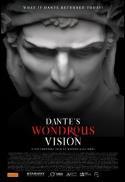
ArtBeats - Dante's Wondrous Vision
TBC
A visionary reimagining of Dante’s Divine Comedy, blending vibrant animation with modern-day issues like environmental destruction and inequality, offering a timeless message of hope and renewal.
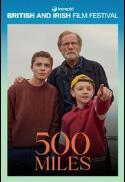
BIFF 2026 - 500 Miles
MOffensive language
OFFICIAL SELECTION: Dublin International Film Festival The always-brilliant Bill Nighy stars in 500 Miles, a life-affirming celebration of the human spirit that follows a broken family who are forced to come together when their two young boys run away from home. After hearing their parents fight, Finn (Roman Griffin Davis, Jojo Rabbit) and Charlie (Dexter Sol Ansell, breakout star of A Knight of the Seven Kingdoms) sneak out of their house in Doncaster. So unfolds an epic road trip from Yorkshire, over land and sea, to the wild West Coast of Ireland. Their destination? The small seaside town of Dingle, County Kerry, where they will reunite with their beloved Grandfather, John (Nighy). It’s a long, treacherous journey - 500 miles where a lot could go wrong... And while Dingle holds happy memories for the boys, Grandpa John has remained estranged from Finn and Charlie’s parents after fateful events the previous summer. With knockout performances from all involved, 500 Miles will make you laugh, cry, and hug the people you love.
BIFF 2026 - A Talent for Murder
TBC
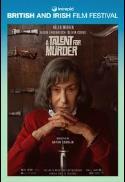
OFFICIAL SELECTION: Toronto International Film Festival British national treasure Helen Mirren plays The Talented Mr. Ripley author Patricia Highsmith in this deeply intriguing thriller. A Talent for Murder takes place in 1995, with Highsmith now in her seventies - and in poor health. Retired to her secluded house in the Swiss Alps, the author keeps to her study, immersed in her books, accompanied by her cats, and surrounded by a collection of antique weapons. Highsmith’s solitude is interrupted by the arrival of Edward Ridgeway (recent Tony-winner Alden Ehrenreich), a mysterious messenger from a New York publisher, sent to persuade the author to write one final instalment of the Ripley anthology. Aggravated by the unexpected visit from this youthful, overly eager envoy, Patricia declines the offer. That is, unless Ridgeway can help her in conjuring up the perfect murder story. Mirren embodies the wickedly manipulative author with gusto, while Ehrenreich imbues Ridgeway with enough guile to keep us guessing at his motives. From director Anton Corbijn (Control), A Talent for Murder is replete with brilliant twists, biting dialogue, and delicious entanglements. Direct from its world premiere at the Toronto International Film Festival, don’t miss this highly anticipated thriller!
BIFF 2026 - Bad Apples
Violence, cruelty & offensive language
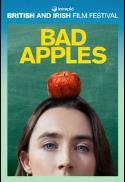
OFFICIAL SELECTION: Toronto International Film Festival Oscar-nominee Saoirse Ronan delivers one of her most daring and memorable roles in the satirical thriller Bad Apples, a bold and timely film that challenges how deeply we hold our core beliefs. Ronan plays Maria, a primary school teacher whose classroom is thrown into chaos by Danny, an exceptionally disruptive and foul-mouthed student. Maria reaches her breaking point after Danny has a violent run-in with another student, and taking a drastic course of action, traps him in her home. In Danny’s absence, the classroom begins to thrive; the children flourish academically, and both parents and school staff celebrate the incredible turnaround. But with everyone else convinced the school’s biggest problem has finally been solved, Maria now finds herself trapped in an increasingly preposterous moral dilemma. Swedish-born director Jonatan Etzler injects scathing Scandi humour into this daring psychological comedy, which is sure to become one of the year’s most talked-about films.
BIFF 2026 - Borges and Me
MOffensive language, sexual references & drug use
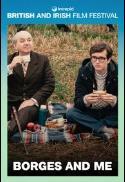
OFFICIAL SELECTION: Edinburgh International Film Festival This enchanting adaptation of Jay Parini’s semi-fictional memoir is filled with warmth, wit, and beautiful scenery from the Scottish countryside. As a young doctoral student in the 1970s, Parini (Fionn Whitehead, Dunkirk) was somehow partnered on a road trip through the Scottish Highlands with the literary icon Jorge Luis Borges (Luis Gnecco). Parini is both bewildered and enchanted by his eccentric companion, the blind poet’s presence leading to amusing and even poignant adventures. Over the course of an eventful journey, the two forge a deep connection, woven with poetry, music, and a touch of melancholy. Borges and Me revels in the splendour of its locations. Gorgeously photographed, the raw beauty of the rural Scottish landscape translates beautifully to the big screen. Whitehead and Gnecco are superb as the central pair, with a terrific supporting cast including Alan Cumming, Peter Mullan and Freya Mavor. Pack your bags, this is a road trip you can’t afford to miss.
BIFF 2026 - California Schemin'
MOffensive language, drug use, sexual references & suicide
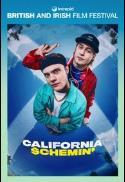
OFFICIAL SELECTION: Toronto International Film Festival James McAvoy makes his anticipated directorial debut with this wild true story of two Scottish men pretending to be Americans to achieve their dreams of hip-hop stardom. Inspired by the real-life tale of Scottish rap duo “Silibil N’ Brains”, California Schemin’ follows lifelong friends Gavin Bain and Billy Boyd. Chasing their dream of becoming successful rappers, Gavin and Billy are faced with one problem - no one will take their aspirations seriously with their thick regional accents. Humiliated at an audition in London, the pair return home and devise an absurd scheme: they’ll reinvent themselves as hard-partying Californian MCs, complete with elaborate backstories and convincing (enough) American accents. Miraculously, the gambit pays off, and Sibil N’ Brains’ rise to stardom is set in motion. But as the stakes get raised, the pressure begins to fracture both their success - and their friendship. With California Schemin’, McAvoy delivers a fast-paced, funny and poignant debut with a killer soundtrack.
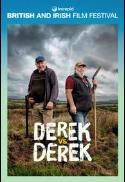
BIFF 2026 - Derek vs Derek
MOffensive language
OFFICIAL SELECTION: Thessaloniki International Documentary Festival What happens when your neighbour goes completely wild? Derek vs Derek is a funny, insightful and heartwarming documentary that charts the turbulent relationship between two farmers. On a country road in Devon live two ideologically opposed neighbouring farmers - both called Derek. Derek Banbury believes in the intensive farming of his land, while Derek Gow is focused on creating a “rewilding” oasis for nature and wildlife on his land. Shot over three years, Derek vs Derek wonderfully juxtaposes the two wholly opposing approaches to farming, as tempers fray, wild animals run amok, and the land is radically transformed. The two Dereks’ story will at turns amuse, entertain and provoke thought about environmental issues and the future of farming. Award-winning director James Dawson celebrates the potential for understanding in this wonderful film about land use and farming, told by farmers. Packed to the brim with English humour, Derek vs Derek is essential viewing.
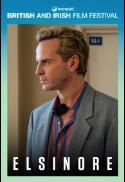
BIFF 2026 - Elsinore
MSex scenes, offensive language & nudity
OFFICIAL SELECTION: Telluride Film Festival OFFICIAL SELECTION: Toronto International Film Festival Andrew Scott is astonishing in this powerful, deeply moving, and inspiring story of the actor Ian Charleson, who faced incredible odds while preparing to play Hamlet at the National Theatre. Scott plays Ian Charleson in 1989, discontented with his career stagnation despite early success in the Best Picture winners Chariots of Fire (1981) and Gandhi (1982). The chance of a lifetime soon comes along, when Daniel Day-Lewis unexpectedly departs the role of Hamlet at London’s National Theatre. But dream collides with nightmare, as Charleson faces a devastating AIDS diagnosis. Determined to seize his last opportunity for meaning, Charleson delivers a courageous performance that becomes a source of healing and inspiration for those around him. Alongside a career-best turn from Scott, Olivia Colman delivers a masterclass performance as a doctor treating Charleson and fellow gay men during the HIV epidemic. Elsinore is generating Oscar buzz after it received a massive standing ovation at its recent Toronto International Film Festival screening. Don’t miss this stirring and transcendent film.
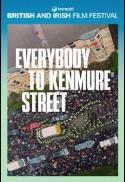
BIFF 2026 - Everybody to Kenmure Street
Exempt
OFFICIAL SELECTION: Sundance Film Festival OFFICIAL SELECTION: Glasgow Film Festival From Executive Producer Emma Thompson and BAFTA-winning director Felipe Bustos Sierra comes Everybody to Kenmure Street, a multifaceted picture of one of the most memorable moments in Glasgow’s recent history. On May 13, 2021, UK Home Office immigration enforcement launched a dawn raid in Pollokshields, one of Scotland’s most diverse neighbourhoods. Local residents rushed to the streets to stop the deportation of their neighbours. As word spread, a handful of protestors quickly grew to a crowd of hundreds, flooding Kenmure Street and completely blocking an immigration enforcement van. The eight-hour stand-off made international headlines as the community organised itself in an extraordinary act of peaceful solidarity. Everybody to Kenmure Street uses a combination of crowd-sourced footage from the day, archive film and dramatic re-enactments to examine the power of grassroots collective action, solidarity, and empathy in confronting state authority.
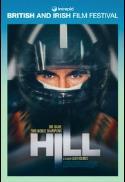
BIFF 2026 - Hill
Exempt
OFFICIAL SELECTION: Glasgow Film Festival One name. Two champions. BAFTA-nominated filmmaker Alex Holmes delivers the definitive portrait of how Damon Hill overcame the loss of his legendary father, Graham Hill, and followed in his footsteps to become a Formula 1 world champion himself. Featuring exclusive interviews with Damon and his family, Hill is a gripping documentary that charts the racing legend’s journey through tragedy, pressure, and some of the most iconic moments in F1 history. Discover the inside story of how Damon fought a furious battle with Michael Schumacher, and dealt with the death of his teammate Ayrton Senna, who tragically lost his life at 34. Hill places an insightful focus on who Damon is as a person - his hopes, joys, insecurities, and heartbreak. This engaging approach creates an emotional narrative that captures the attention of both F1 devotees and the uninitiated alike. With a seamless blend of high-octane Formula 1 footage and intimate home-movie moments, Hill is pacy, polished, and unmissable.
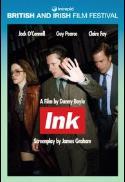
BIFF 2026 - Ink
TBC
OFFICIAL SELECTION: Venice Film Festival OFFICIAL SELECTION: Telluride Film Festival OFFICIAL SELECTION: Toronto International Film Festival The latest film from British cinema royalty Danny Boyle (Trainspotting, Slumdog Millionaire), Ink charts the rise of Rupert Murdoch’s notorious newspaper The Sun, and the creation of the UK’s tabloid culture. Guy Pearce (The Brutalist) stars as Murdoch, alongside Jack O’Connell (Sinners) as newspaper editor Larry Lamb, newly assigned to oversee the fledgling daily paper. Tasked with attracting new readers in the competitive British media market, Lamb devises a new tactic - throw anything onto the page that will turn heads, no matter the veracity. The Sun sees a massive spike in readership, and this new broad scope allows Jules Davies (Claire Foy) to break through the male-dominated hierarchy. But as the paper circulation grows, so too does the number of its critics. Already generating awards season buzz, the fast-paced and gripping Ink features riveting performances from its star cast, in a thrilling exploration of this controversial newsroom legacy.
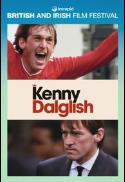
BIFF 2026 - Kenny Dalglish
MOffensive language
OFFICIAL SELECTION: Berlin International Film Festival 2025 From Asif Kapadia, the Oscar-winning director of Senna, Amy and Diego Maradona, comes the inspiring, humorous, and emotional story of football legend Kenny Dalglish. Dalglish narrates his own journey, joined by his wife Marina and closest footballing friends, Graeme Souness and Alan Hansen. Drawing from hours of archival footage, including never-before-seen personal clips from his playing career and home life, the film reveals Kenny’s remarkable story. From his upbringing in Glasgow tenements, to his breakout stardom at Celtic, and his record-breaking transfer to Liverpool FC in 1977, this documentary explores Kenny’s profound humanity and leadership during deeply turbulent times. With skill, strength, flair, and sharp humour, the Scotsman became one of the club’s and Europe’s greatest players. This is a warm and gutsy portrait of the legendary Liverpool star, expertly assembled in Kapadia’s signature style. For an absorbing portrait of an icon of the sport, don’t look past the compelling Kenny Dalglish.
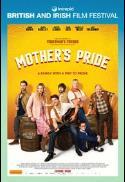
BIFF 2026 - Mother's Pride
MOffensive language, sexual references & suicide references
From the creators of Fisherman’s Friends, Mother’s Pride is a heartfelt comedy about a failing pub, a divided community, and a family desperately trying to hold itself together. The film follows Cal Harley (Jonno Davies, Better Man), a washed-up musician haunted by his past success. Returning to his hometown, he faces a family still grieving his mother’s death, and their beloved pub on the brink of closure. To make matters worse, Cal’s old rival, Edward Pritchard (Luke Treadaway, A Street Cat Named Bob) runs a bustling pub across the street, and is in a relationship with Cal’s first love, Abi (Gabriella Wilde). Determined to right his wrongs, Cal rediscovers the long-forgotten family ritual of brewing beer, alongside his brother Jake (James Buckley, The Inbetweeners), gradually regaining his confidence - and his voice. Cal sets out to challenge Pritchard in the prestigious CAMRA (Campaign for Real Ale) awards, all while trying to win back Abi with his heartfelt songs written just for her. As melodies mingle with hops, can Cal mend his broken family ties, reclaim his lost love, and rediscover himself? With Martin Clunes and Mark Addy filling out the cast, Mother’s Pride is a quintessentially British underdog story that’s warm, funny and full of heart.
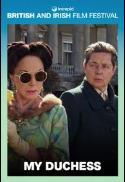
BIFF 2026 - My Duchess
TBCOffensive language
Screen legends Joan Collins and Isabella Rossellini are bringing old Hollywood class to this year’s Festival with My Duchess, from British cinema stalwart Mike Newell (Four Weddings and a Funeral). Collins plays American socialite Wallis Simpson, whose life changed when she met the future King Edward VIII. Their love affair led to his eventual abdication and made her the most talked-about woman in the world. My Duchess picks up after the death of Edward, now Duke of Windsor, in 1972. Wallis, the Duchess of Windsor, lives a secluded life in her Paris chateau, surrounded by loyal companions—Jean-Claude (Laurent Lafitte), her colourful confidant, and Louis (Buom Tihngang), her devoted butler. Enter Maître Suzanne Blum (Isabella Rossellini), her trusted lawyer turned predator. What begins as protection becomes obsession, as Blum isolates, manipulates, and controls her client. Wallis and her allies must fight back in a dangerous game of deceit and power. Featuring a career-best and fearless performance from Collins in the title role, My Duchess plays out like a gothic thriller exploring fame, aging and dark manipulation behind closed doors.
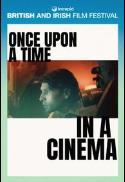
BIFF 2026 - Once Upon a Time in a Cinema
MViolence, offensive language, drug use & sexual material
OFFICIAL SELECTION: Dublin International Film Festival This witty, light-hearted Irish comedy-drama centres on a Friday night in a small-town cinema, as a series of comic mishaps draws an entire community together in unexpected and touching ways. Set in the 1980s, Once Upon a Time in a Cinema follows Earl (Colin Morgan, Belfast) the owner/manager of a regional Irish cinema. Amid financial struggles and failing equipment, Earl and his crew find themselves under siege from rogue rodents, belligerent patrons, a drunken projectionist, and the ultimate existential threat - the unstoppable march of new technology known as the Video Home System (VHS). To add to the pressure, Earl’s younger brother Gerald (Calam Lynch) is desperate to sell the struggling family business to a local businessman, who is in attendance on this chaotic night to see the cinema in action before making his final offer... Drawing from writer/director David Gleeson’s own experience growing up in a family of cinema owners, this is a love letter to the cinema experience.
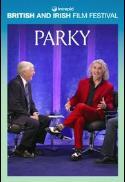
BIFF 2026 - Parky
Exempt
Sir Michael Parkinson, often affectionately known as “Parky”, was one of the most ubiquitous figures on UK Television. This riveting new documentary examines the career and milestones of the man known as “the great British talkshow host.” How did a miner’s son from working-class Yorkshire, who rose to become television’s greatest interviewer and a knighted Sir, never truly believe in himself? As told in his own words, and from those closest to him - his wife, Lady Mary, and sons Mike, Andrew and Nick - Parky is a revelatory portrait of an icon. From his childhood in the South Yorkshire village of Cudworth, and his successful stint in uniform with the National service, to his journalism career and eventual television stardom, this tell-all uncovers the brilliant and complicated man. Over 20 years, Parkinson hosted more than 2,000 guests on his eponymous show, from Hollywood actors to sports stars, comedians, and intellectual figures. Parky features quintessential clips with some of these legendary guests, including Dame Julie Andrews, Sir Billy Connolly, Dame Judi Dench, Sir Paul McCartney, and many more. An enthralling combination of intimate insights from his family, as well as classic clips from his beloved show, Parky is essential viewing.
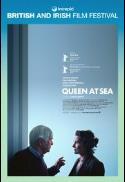
BIFF 2026 - Queen at Sea
MOffensive language, sexual violence themes & sexual material
WINNER: Jury Prize, Berline International Film Festival WINNER: Best Supporting Performance, Berline International Film Festival Winner of the Jury Prize and joint Best Supporting Performance award for Tom Courtenay and Anna Calder-Marshall at this year’s Berlin International Film Festival, Queen at Sea is a powerful and deeply emotional drama. Juliette Binoche plays recently divorced academic Amanda, who relocates to London to care for her mother, Leslie (Calder-Marshall) who is living with advanced dementia. Amanda butts heads with her stepfather, Martin (Courtenay), the pair divided over whether Leslie still has the ability to make critical decisions in her own best interests. If not, who is responsible - a spouse, a child, an institution - to make that call? As Amanda and Martin are forced to make increasingly difficult choices, especially in regard to Martin’s role as Leslie’s carer, the repercussions spiral out of their control. In his long-awaited second feature, writer/director Lance Hammer delivers a thought-provoking and cerebral character study, anchored by powerhouse performances that are guaranteed to stay with you.
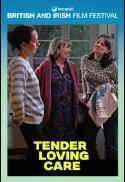
BIFF 2026 - Tender Loving Care
M
OFFICIAL SELECTION: Telluride Film Festival OFFICIAL SELECTION: Toronto International Film Festival Seven-time Oscar-nominee Mike Leigh returns with Tender Loving Care, an uplifting story of family that the legendary writer/director says will be his final film. The film follows a week in the life of Amy (Kate O’Flynn, Widow’s Bay), a dedicated social worker who gives everything she has to support those in need. Amy’s personal life is upended when her beloved father begins facing serious health issues, forcing her and her mother to accept a painful new reality. Amy shares laughter, tears, and vital perspective with her lifelong best friend Rosie (Alice Bailey Johnson), whom she has recently moved back in with. Rosie’s wit and warmth serve as an essential anchor for both women as they navigate the uncertain waters of approaching middle age. O’Flynn and Bailey Johnson deliver compellingly authentic performances in this poignant, uplifting celebration of resilience and compassion from one of the great masters of film. Don’t miss this opportunity to see Mike Leigh’s swan song on the big screen.
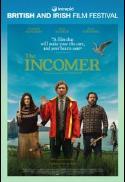
BIFF 2026 - The Incomer
TBC
WINNER: NEXT Innovator Award, Sundance Film Festival Domhnall Gleeson (About Time) stars in this delightfully dotty comedy that took home the NEXT Innovator Award at this year’s Sundance Film Festival. The Incomer follows siblings Isla (Gayle Rankin, House of the Dragon) and Sandy (Grant O’Rourke, Outlander), who have lived alone on a remote, windswept Scottish island for 30 years since their parents disappeared. The siblings live a totally normal life, hunting seabirds, chatting to mythic creatures, and defending their isle from dreaded incomers. But their world is upended with the arrival of Daniel (Gleeson), an awkward and socially inept council worker, come to uproot them to the mainland. Daniel brings with him the strange mainland customs of paperwork, veganism, and wi-fi, while Isla and Sandy attempt to teach this outsider their eccentric “ways of the gull.” As long-held beliefs begin to crumble, each of them must confront the truth, embrace change, and dare to imagine a life beyond the island. The Incomer is a winningly weird and refreshingly upbeat must-see.
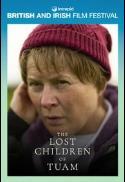
BIFF 2026 - The Lost Children of Tuam
MContent may disturb
WINNER: Best Irish Film, Galway Film Fleadh OFFICIAL SELECTION: Toronto International Film Festival From producer Liam Neeson, this powerful true story of an amateur historian’s tenacious pursuit of truth won the Best Irish Film award at this year’s Galway Film Fleadh. The film follows Catherine Corless (BAFTA-winner Monica Dolan, Days of the Bagnold Summer) as she begins researching “Bon Secours Mother and Baby Home”, a former institution for unmarried mothers and their children in Tuam, County Galway. Catherine soon uncovers one of the darkest chapters in modern Irish history, a long-buried story of neglect and loss. Faced with deafening silence from the church and state, she embarks on a campaign for justice, confronting deep wounds that continue to shape Ireland today. Monica Dolan turns in a phenomenally convincing performance as Corless, worthy of her compassionate, intelligent real-life counterpart. The Lost Children of Tuam is a moving testimony to the power of perseverance, and a reminder that change can begin with one person.
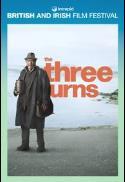
BIFF 2026 - The Three Urns
MOffensive language
OFFICIAL SELECTION: Dublin International Film Festival Take in the beauty of Ireland’s striking landscapes with The Three Urns, a delightful follow-up to the crowd-pleasing The Man in the Hat, starring Oscar-nominee Ciarán Hinds. Hinds plays Mr O’Connor, who, after years of living in France, sets out on a pilgrimage to his former home in Ireland to scatter his late wife’s ashes. When his car breaks down, O’Connor acquires a solar-panelled milk float, and an offbeat road trip along the scenic northwest coast of Donegal begins. Mr O’Connor’s journey is full of serendipitous encounters with a cohort of colourful characters, including a Lithuanian painter, an itinerant priest, horse traders and horse whisperers, a Choctaw native commemorating the great famine, and a group of mystic women worshipping at the ancient Beltany Stone Circle. Featuring a special appearance from Stephen Fry (after he lauded the first film), The Three Urns is a charming, joyful tale with a touch of whimsy. Book your tickets now for this funny and often moving look at reconnection and exploration.
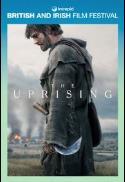
BIFF 2026 - The Uprising
R16Bloody violence & cruelty
Andrew Garfield stars as the leader of a ferocious rebellion in this captivating historical drama from the acclaimed director Paul Greengrass (The Bourne Ultimatum, Captain Phillips). Set in 1381, in the aftermath of the devastating Black Plague, The Uprising centres on an England under the tyranny of the young King Richard II. In the lead role, Garfield plays an unnamed ploughman, grieving the loss of his wife and children to the plague. When harsh new taxes are enforced by corrupt officials in his town, local tensions reach a boiling point. Joined by the radical priest John Ball (Jamie Bell, All of Us Strangers), and military veteran Wat Tyler (Cosmo Jarvis, Shōgun) the ploughman transforms from a humble farmer to an outlaw leader, forming an army of the people to march on London and face the King’s might in a fight for justice. BAFTA-winning director Paul Greengrass brings his trademark gritty, verité style to this action-packed epic, the first film adaptation of the 14th century Peasants’ Revolt. Led by an excellent performance from Andrew Garfield, The Uprising is rounded out by a star cast including New Zealand’s own Thomasin McKenzie. Powerful, heartbreaking and captivating, make sure you see The Uprising on the big screen.
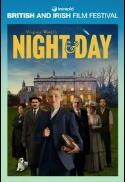
BIFF 2026 - Virginia Woolf's Night & Day
MContent may offend
OFFICIAL SELECTION: South by Southwest London Love and astronomy don’t mix in this refreshing take on the romantic comedy, based on Virginia Woolf’s novel and featuring an all-star cast. Haley Bennett (Widow Clicquot) plays Katharine Hilbery, an aspiring astronomer who is passionate about two things, and two things only: the stars and Cambridge University. Katharine’s controlling father (Timothy Spall) attempts to push her away from learning and into a marriage with a family friend, the pompous and clueless William (Jack Whitehall). With her independence under threat, Katharine turns to the suffragette movement, spearheaded by the straight-talking Mary (Lily Allen). However, Katharine’s life opens up further when she crosses paths with Ralph Denham, a working-class writer hired by her mother to help edit a sprawling family biography. As intellectual and romantic loyalties shift, Katharine is forced to re-evaluate her beliefs about love, ambition, and claiming her place in the world. Fun and contemporary in tone, this is an inventive adaptation of Woolf’s story that is as relevant today as it ever was.
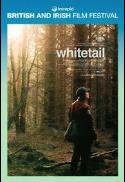
BIFF 2026 - Whitetail
MViolence, offensive language & sex scenes
OFFICIAL SELECTION: Toronto International Film Festival Whitetail is a smouldering psychological thriller set in the lush, isolated forests of Southern Ireland. The film centres on an extraordinary performance from Natasha O’Keeffe (Peaky Blinders) as Jen, a conservation park ranger. Tough as nails, Jen is a formidable presence in her community, especially when it comes to the poachers that have begun trespassing on her territory. However, Jen’s hardy exterior begins to crack when a familiar face from her past reappears. Her ex-boyfriend Oscar (Aaron McCusker, Shameless) has returned to town, dredging up painful memories of a devastating accident that occurred during their teen years. Along with the turmoil caused by the encroaching poachers, and new developments in her relationship with her father (Andrew Bennett, The Quiet Girl), Jen is forced to finally confront the trauma she has tried to outrun. Masterfully scripted, shot, scored and performed, Whitetail is a simmering spectacle that will stay with you long after the credits have rolled.
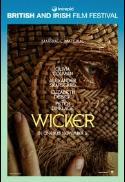
BIFF 2026 - Wicker
R16Sex scenes, offensive language & content that may disturb
OFFICIAL SELECTION: Sundance Film Festival Drinks and Nibbles on Opening Night from 6.45pm Celebrate the opening of the 2026 Festival with the hilarious, profound, and highly-anticipated Wicker! An audacious comedic fable about sex, marriage, and the absurdities of social convention, Wicker tells the wholly original love story of an ostracized fisherwoman (Olivia Colman) who commissions a husband to be made by the local basketmaker (Peter Dinklage). When her wicker husband (Alexander Skarsgård) proves more spectacular than she ever imagined, his soulful spirit and unique prowess awaken something inside her, setting off a wave of jealousy, fascination, and upheaval that threatens the very fabric of village life. Wicker generated a massive amount of buzz upon its debut at this year’s Sundance Film Festival, earning a standing ovation and quickly becoming one of the most talked-about titles of the line-up. Colman and Skarsgård have earned praise for their brilliant performances, and stunning craftsmanship from the wizards at Wētā Workshop has put Wicker on the radar for awards season consideration. Do not miss it!
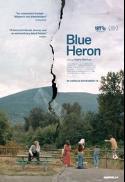
Blue Heron
MOffensive language & mental health themes
A family of six settles into their new home on Vancouver Island as internal dynamics are slowly revealed through the eyes of the youngest child.
Fatherland
MSuicide references
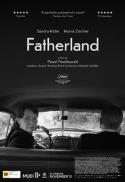
FATHERLAND centres on the relationship between the Nobel Prize-winning writer Thomas Mann (Hanns Zischler) and his daughter Erika (Sandra Hüller) - actress, writer and rally driver. In the summer of 1949, at the height of the Cold War, father and daughter embark on a challenging and emotional road trip in a black Buick taking them across a Germany in ruins - from US dominated Frankfurt to Soviet controlled Weimar. Returning home after sixteen years of exile in the US, Thomas Mann has to face not only a divided fatherland, but also a deep fracture within his own family. With FATHERLAND, Pawlikowski picks up where he left off with his award-winning Ida and Cold War, exploring – in his elliptic, distilled style - the themes of identity, family, love and guilt amid the turmoil and confusion of post-war Europe.
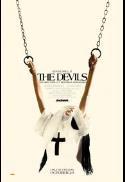
Ken Russell's The Devils
R16Nudity, violence, cruelty, sexual violence & content that may offend
In 17th-century France, Father Urbain Grandier seeks to protect the city of Loudun from the corrupt establishment of Cardinal Richelieu. Hysteria occurs within the city when he is accused of witchcraft by a sexually repressed nun.

Klara and the Sun
MOffensive language
Based on the bestselling novel from Nobel Prize-winner Kazuo Ishiguro and written and directed by Academy-Award® winner Taika Waititi (Jojo Rabbit), Klara and the Sun introduces audiences to Klara (Jenna Ortega), an Artificial Friend who wants nothing more than to find the perfect home. When Klara meets Josie (Mia Tharia), each immediately senses a kindred spirit in the other. Josie has a fraught relationship with her mother (Amy Adams) and they’ve suffered great loss, but Klara’s innocent wonder and unwavering loyalty begin to heal the family and bring light to Josie’s complicated world.
La Bola Negra
M
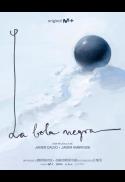
The Black Ball opens in 1937, where a rural village loyal to Nationalist rebels is holding a celebration to welcome their Italian allies. Only, when the planes fly overhead, they strafe the villagers with bullets and send bombs whining down into buildings. One young man, Sebastián (the singer Guitarricadelafuente, making a promising acting debut), scrambles to safety, only to be conscripted into the fascist army. Five years earlier, with revolution approaching, another young man, Carlos (Milo Quifes), drowns his sorrows after being black-balled from his father’s social club due to unseemly rumours about his sexual proclivities. And in 2017, a gay writer and historian, Alberto (Carlos González), learns that a grandfather he didn’t know he had has left him something in his will — a document that will crucially link his story to the past. How these three plots intersect is the mystery of the film.
Len Lye Master of Motion
Exempt
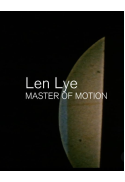
Produced by the Govett-Brewster Art Gallery and Belmont Productions, Master of Motion celebrates the life and work of Len Lye and his longstanding relationship with Aotearoa, Taranaki and the Govett-Brewster Art Gallery. Alongside vintage footage of the artist and interviews with experts in hi art, Master of Motion includes a wealth of recently uncovered archival materials telling the Len Lye’s story in his own voice. The new 30 minute documentary introduces audiences to the Len Lye story, showcasing his visionary work in film and sculpture, his monumental ambitions for his work beyond his own life and his legacy in the Len Lye Centre.
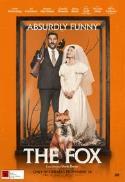
The Fox
R16Sex scenes, offensive language & nudity
Dario Russo, of 'Danger 5' cult fame, draws on Japanese and Korean folktales, as well as his own upbringing in the Adelaide Hills, with this story of a trickster fox let loose in the henhouse of Australian culture. Nick is your average good bloke - heart of gold, a bit thick, a dud root, looks forward to schnitty night at the pub. When his fiancée betrays him, Nick is unwise enough to listen to a fox who has a typically cunning scheme for returning his foxy lady to him. An all-star cast headed by Jai Courtney and Emily Browning, includes Miranda Otto and Kym Gyngell, with the voices of Olivia Colman and Sam Neill. There are also talking magpies, magic holes, and lots of yapping Jack Russells. Russo explores the struggle between domestication, commitment and stability against the wild and primal desire for freedom, novelty and lust-but most importantly, he does it in a very, very funny way.
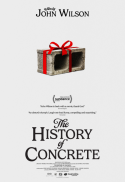
The History of Concrete
TBC
Following the finale of his TV series, filmmaker John Wilson looks to the bedrock of his beloved New York City for inspiration and structure. Concrete, the world's most widely used building material, appears as an ever-present life force, and John sets out to make the definitive documentary on the matter. To tell this seemingly drab story, he decides to use the industry-approved Hallmark formula to increase his movie's appeal. But his foundation soon begins to crumble—literally and figuratively—as he struggles to balance artistic freedom with the realities of the modern film industry.
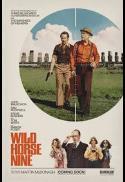
Wild Horse Nine
TBCViolence, offensive language, drug use & suicide
Shortly before the 1973 Chilean coup, CIA agents Chris (John Malkovich) and Lee (Sam Rockwell) are dispatched from Santiago to Easter Island by their bureau chief, MJ (Steve Buscemi). Amongst the Island's iconic statues, and as the longtime partners wrestle with their dark pasts and present conspiracies, Chris's newfound bond with a pair of rebellious students (Mariana di Girolamo and Ailín Salas) threatens to send everyone’s trip to this remote paradise sideways.
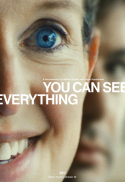
You Can See Everything
TBC
Thirty-four days before she's sent to prison, notorious Theranos founder Elizabeth Holmes invites a skeptical film crew to document her every move. What begins as an intimate portrait becomes a mind-bending three-year journey.